Marimekko Fashion for Summer 2013 - Cover Magazine

1949

Marimekko's story begins

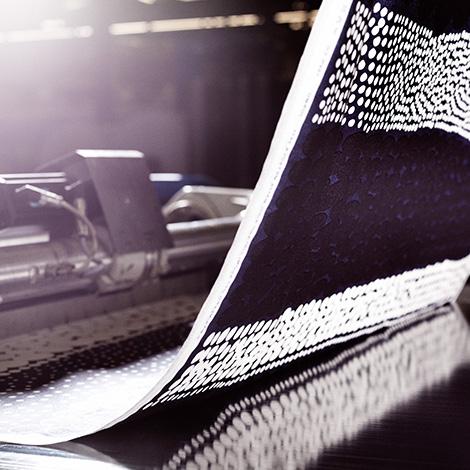
Marimekko's story begins in Viljo Ratia'due south material press company Printex. His married woman, Armi Ratia, commissions immature artists to pattern new, bold patterns for the visitor. Armi has a articulate idea of the time to come. "One has to dream," Armi says. "And one must stand out from the residual." Printex – and later Marimekko – will impress textiles past mitt until December 1973.

1951

The first Marimekko fashion show

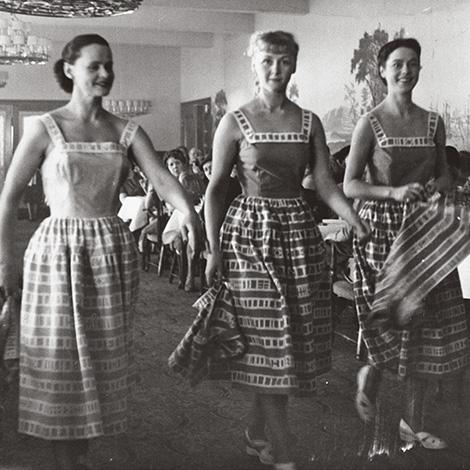
Printex's modern textiles are admired past Finns, but few know what to do with the new patterns. So Armi and Viljo organize a manner evidence to demonstrate how their textiles tin can be used to brand clothes. Marimekko'south first fashion drove is designed by Riitta Immonen, who makes use of print patterns from dissimilar Finnish artists, including Maija Isola. The show is held at the Kalastajatorppa hotel in Helsinki in May. The audience is enthralled by the colorful patterns and clean cuts. The clothes are sold well-nigh right off the models' backs. A few days afterwards the show, Marimekko is officially registered as a company. The first Marimekko shop opens in Helsinki the following twelvemonth.

1953

Vuokko Eskolin-Nurmesniemi

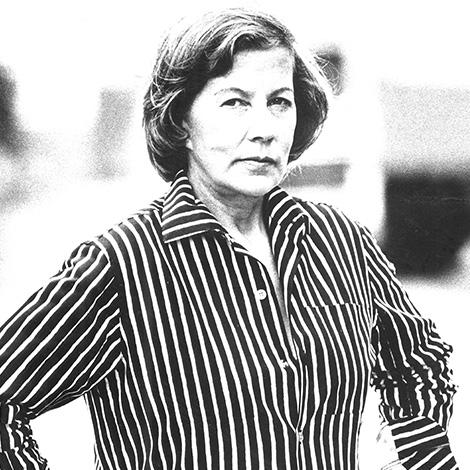
Vuokko Eskolin-Nurmesniemi joins Marimekko every bit a style and textile designer. She helps develop new ways to mass produce article of clothing and revolutionizes the way Finns dress. Vuokko's clever, architectonic cuts liberate women from the stifling clasp of corsets. Vuokko and Armi part means at the get-go of the 1960s. Having two such visionary women in the same visitor proves to be impossible.

1954

Logo

The Marimekko logo is born. Armi wants it to be uncomplicated and timeless. A graphic designer uses a modified version of a classic Olivetti typewriter font to create the logo. Decades afterward, the Marimekko logo is still going potent.

1956

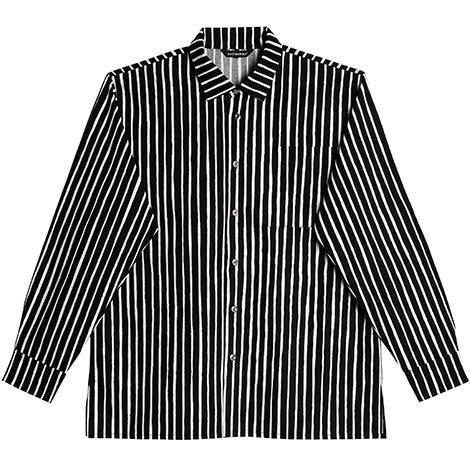
Jokapoika

Vuokko Eskolin-Nurmesniemi designs the Jokapoika (every male child) shirt – the longest running Marimekko classic all the same in production.

1958

Sights on the world

Armi takes Marimekko to the Brussels World's Fair, paving the way across the Atlantic. In the United States, Design Research, the revolutionary lifestyle and design store, begins to retail and distribute Marimekko article of clothing and fabrics in 1959.

1960

Jacqueline Kennedy buys seven Marimekko dresses!

The Usa presidential entrada is in full swing and the other candidate'due south wife, Jacqueline Kennedy, buys seven Marimekko dresses all at once. Her buy makes the headlines and Marimekko is an overnight sensation. The future showtime lady likewise appears in her Marimekko summer dress on the embrace of the December outcome of Sports Illustrated. The original dress is designed past Vuokko Eskolin-Nurmesniemi. In the 1960s, Marimekko is regularly featured in international way magazines like Elle, Faddy, Harper'southward Bazaar, and Women's Wear Daily.

1964

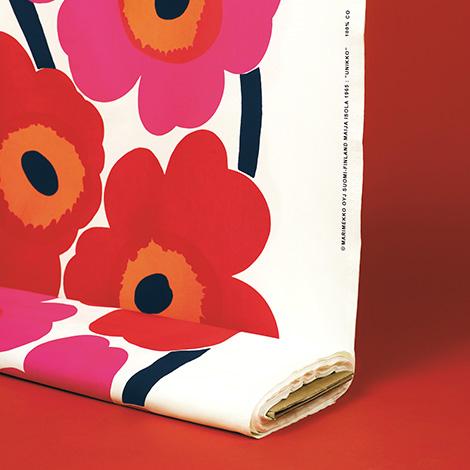
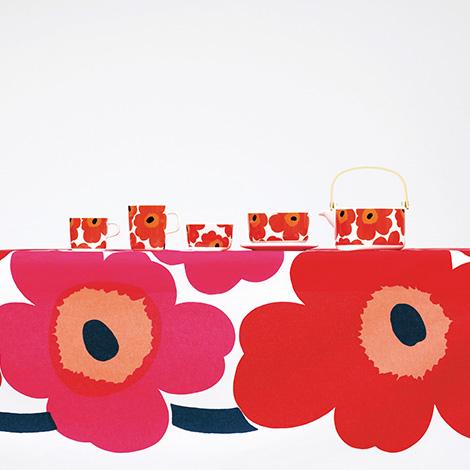
Unikko

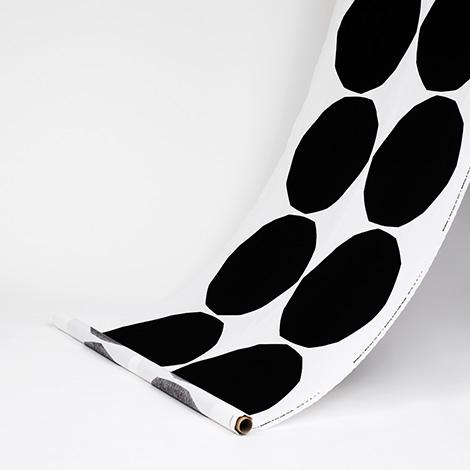
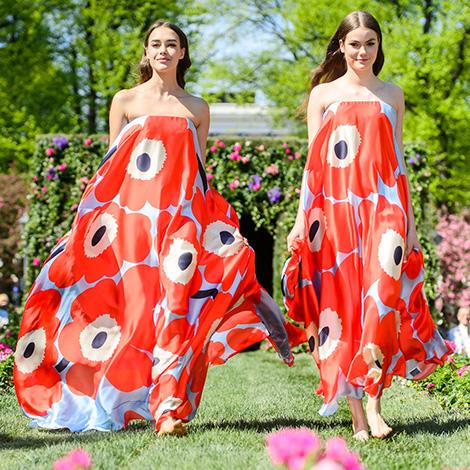
1 of Marimekko's most beloved patterns sees daylight when Maija Isola paints her radiant Unikko (poppy), even though Armi was against the pattern of floral patterns in Marimekko. Maija also creates other perennial favorites like Kaivo (well) and Seireeni (siren) that aforementioned twelvemonth. Designing iconic patterns seems to be second nature to Maija. Prior to Unikko, she had already designed classics like Kivet (stones), Lokki (seagull) and Joonas (Jonah). Maija designs more than 500 textile patterns in her 38 years with Marimekko.

1968

Tasaraita

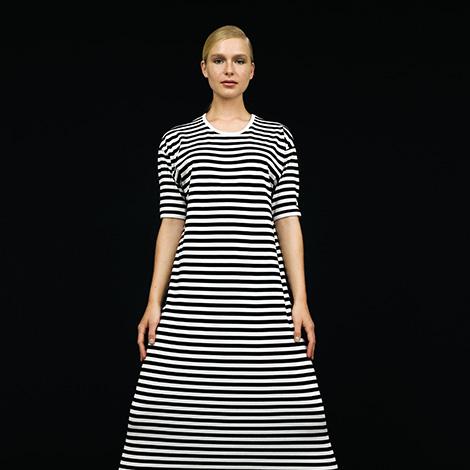
Denim is taking men's and women'due south style by storm. Designer Annika Rimala, who had joined Marimekko in 1960, wants to create a drove of apparel that go with jeans. Apparel that will appeal to every denim lover – regardless of historic period, size or gender. This marks the beginning of Marimekko's first jersey collection: Tasaraita (even stripe) – a celebration of equality.

1969

Pentti Rinta

Marimekko welcomes Pentti Rinta, a gifted designer of eye-catching dresses and everyday wear in tune with the times. In the 1970s, his colorful designs for Marimekko appear on the pages of Vogue and other magazines – from Australia to Prc. In 1972, Rinta designs Kuski (driver), a pop corduroy men's suit that will remain in production for years to come.

1970

Pallo

Annika Rimala designs the Pallo (ball) jersey blueprint, and presently anybody in Finland seems to exist wearing a red, brownish or bluish polka-dotted shirt.

1971

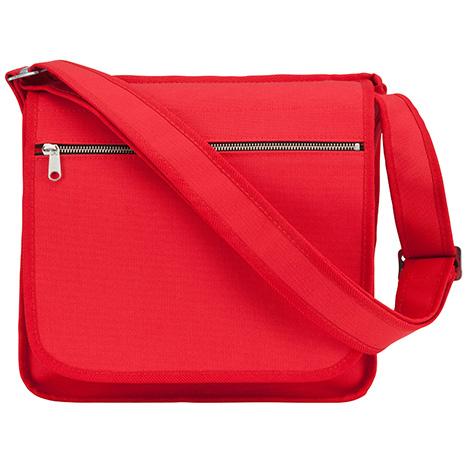
Olkalaukku

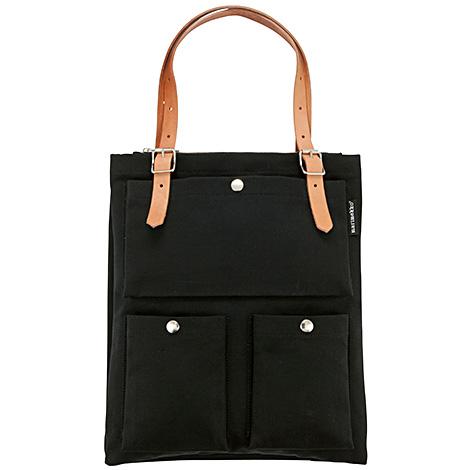
Armi'due south son, Ristomatti Ratia, uses cotton canvas to create Olkalaukku (shoulder bag) – a Marimekko classic virtually anybody has or has had. He soon goes on to design other classic cotton canvas bags, including the Matkuri (traveler) tote.

1973

Marimekko gets a new factory in Helsinki

Marimekko opens a new textile printing factory in Herttoniemi, Helsinki and acquires its offset flat screen printing auto. The factory is expanded in 1979, when the company moves its entire textile press to i location. The 2d expansion is completed in 1983, when the company'south headquarters and pattern staff brand Herttoniemi their new dwelling.

1974

Fujiwo Ishimoto

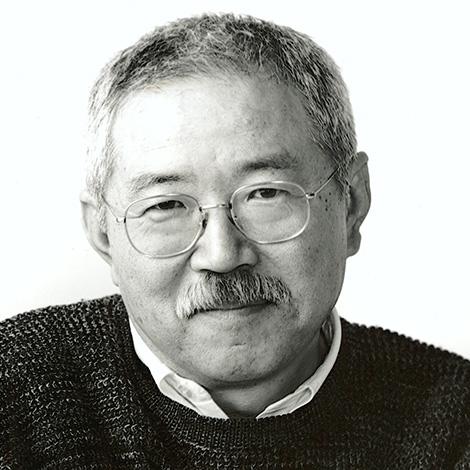
Japanese designer Fujiwo Ishimoto joins Marimekko. During his career at Marimekko, he designs about 400 magical textile patterns.

1975

Bo Boo

Katsuji Wakisaka designs Bo Boo, a Marimekko classic featuring cars, trucks and buses. The pattern immediately wins over both children and playful adults. Particularly in the United States, Bo Boo inspires a wonderfully varied and colorful assortment of products, including bed linen, towels, bags and tableware. Wakisaka, who joined Marimekko in 1968, is the beginning of many Japanese designers to piece of work for Marimekko.
1979

Marimekko's night moment

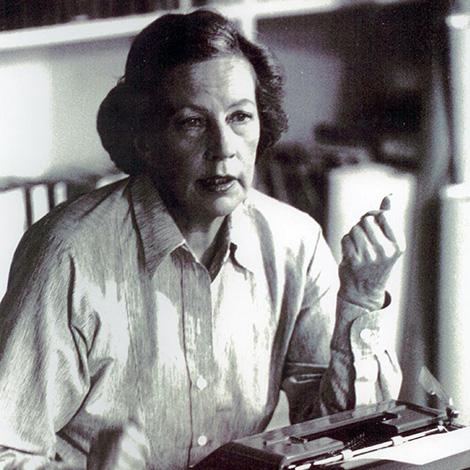
Armi Ratia dies on 3 Oct. Her expiry leaves an immense void. Armi was Marimekko.
1982

Maisema

Fujiwo Ishimoto, the creative force behind then many Marimekko classics, designs one of his most popular prints, Maisema (landscape). The pattern shows how the nuances of color and low-cal in Finnish nature change with the seasons. The influence of nature can exist clearly felt in almost all of Ishimoto'due south pattern designs – whether figurative or abstract.

1985

Amer Group acquires Marimekko

Armi's heirs sell Marimekko to Amer, a Finnish business organisation group. Amer has loftier hopes for the company, but before long admits that it's in trouble with Marimekko.
1991

A brilliant new owner

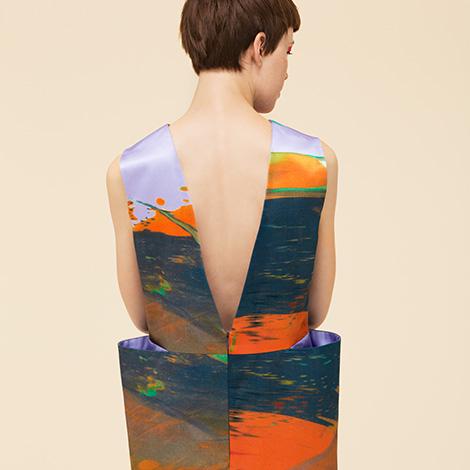
Kirsti Paakkanen buys Marimekko in September 1991 and wastes no time in irresolute the company. She ushers in a new era of growth and profitability, and welcomes new designers like Ritva Falla who specializes in women'south business organisation wear. Jukka Rintala and Jaana Parkkila are also recruited equally manner designers and Matti Seppänen begins to work on men'due south clothing. Marja Suna, who was hired by Armi in 1979 and who created Marimekko'due south first knitwear collection, continues to brand her marker as a versatile manner designer.

1992

Beginning fashion evidence in the park

Kirsti comes up with the idea of organizing a style show in Esplanade Park in the eye of downtown Helsinki. This marks the beginning of a new summertime tradition that continues to this mean solar day. Kirsti also brings joy to the friends of Marimekko with costless fashion shows elsewhere in Republic of finland at dissimilar times of the year.

1994

Mika Piirainen

Manner designer Mika Piirainen joins Marimekko. At the showtime of the 2000s Mika is inspired by classic Marimekko patterns and begins to use them in his clothing designs aslope new prints. Classic and gimmicky come together successfully and soon other designers follow Mika'due south example.
2001

More young designers

Designer Sami Ruotsalainen settles in at Marimekko. Several talented young designers are brought in through desing competitions in 2003 and 2006, including Maija Louekari, Aino-Maija Metsola and Jenni Tuominen. They keep to create many of Marimekko'south almost pop patterns in the coming years. Style designer Samu-Jussi Koski'southward distinct style can be seen in Marimekko clothing collections between 2004 and 2009.
2004

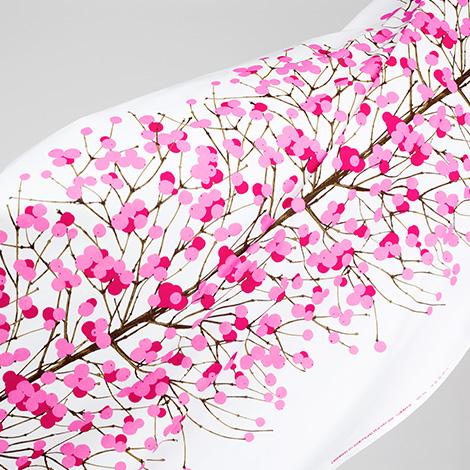
Lumimarja

Erja Hirvi creates a universal hit: Lumimarja (snowberry). This expressive design has conspicuously earned its place amid Marimekko's many archetype textile patterns. Erja began her career at Marimekko in 1995 with her successful Lenny design – the story of an angel who takes to the skies in fast and colorful flight.

The Herttoniemi manufactory celebrates

The material press factory in Herttoniemi gets a new apartment screen press machine and digital screen-making equipment.

2006

First Marimekko stores in Japan

The building of a network of Marimekko stores in Nihon gets off to a good start. Today, the number of stores is already close to 40.

2007

Mika Ihamuotila takes the helm of Marimekko

Mika Ihamuotila becomes the majority owner of Marimekko. As of February 2008, he is likewise the company's President and CEO. He makes a determined endeavor to build Marimekko into a more international visitor.
2009

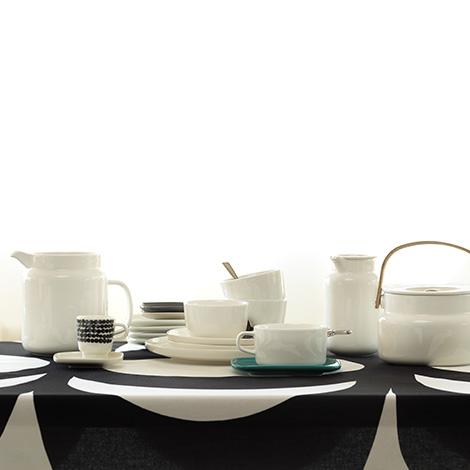
Oiva tableware is launched

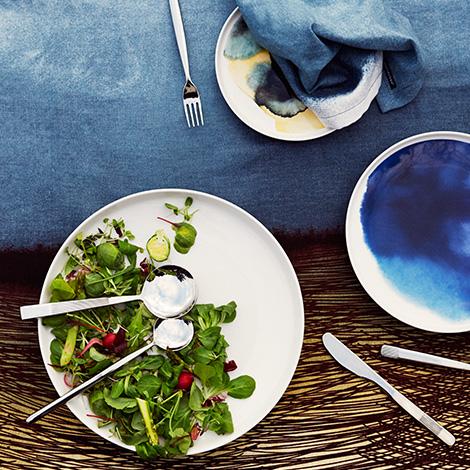
The Oiva (superb) tableware By Sami Ruotsalainen hits the stores and immediately attracts a devoted post-obit. Finding inspiration in allotment gardens, Maija Louekari designs the first patterns for the tableware collection.

2010

Sukat makkaralla

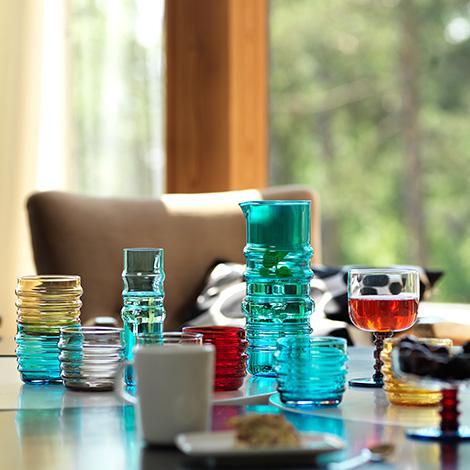
Anu Penttinen'southward Sukat makkaralla (socks rolled down) glassware is launched. Straightforward in spirit nonetheless complex in form, this colorful oral fissure-blown glass is perfect for whatsoever table, any mean solar day.

2011

Online store opens

The edifice of international e-commerce begins in the United States. The post-obit twelvemonth sees the opening of Marimekko's Finnish e-store, and after that online business organisation expands year by year. China becomes the 32nd country for Marimekko's e-commerce in 2019.

2011

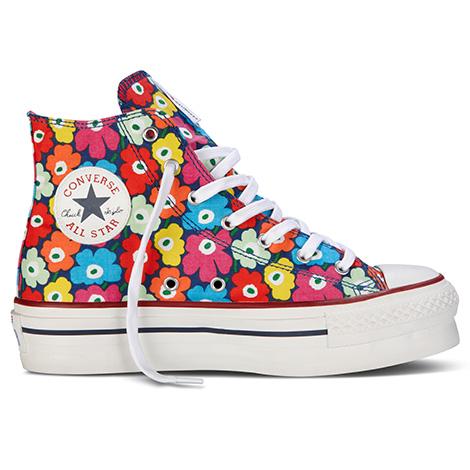
Converse ♥ Marimekko

The get-go of a total of six Converse ♥ Marimekko sneaker collections hits the stores in the bound of 2011. Licensing collaboration with international brands has been role of Marimekko's business organization since the early 1970s. Limited-edition collections launched in partnership with names like Banana Republic, Target, Uniqlo, Clinique and Adidas, among others, have also brought Marimekko high global visibility over the years.

2011

Global manner weeks

For the kickoff time in its history, Marimekko premieres its new collection at an international style calendar week – in Tokyo. Next in line are the New York Fashion Week in 2012 and the Stockholm and Copenhagen Fashion Weeks in 2013. From 2015, Paris volition have the accolade of serving as the phase for debuting new collections for several years.

New printing machine in Herttoniemi

The Herttoniemi factory's production chapters grows three fold as a considerably faster rotary printing machine is installed next to the existing flatbed press. The apartment screen press machine is used to impress larger and more technically enervating patterns.

2011

Normi bags

Tuula Pöyhönen designs a range of numberless which combine humor with practicality in a very Marimekko manner. The range clearly has the makings of a classic, and some of the bag models are included in Marimekko'due south continuing collection.

2012

Call of People's republic of china

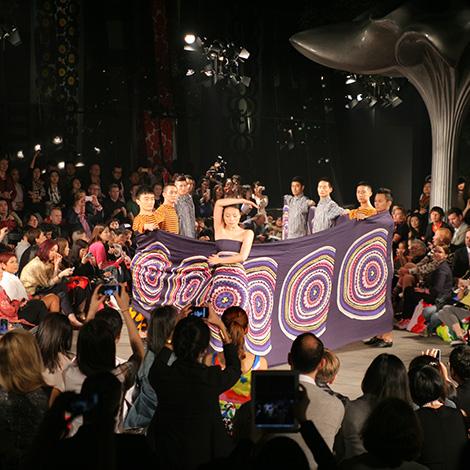
The first Marimekko store in China opens in Hong Kong. In Shanghai, Marimekko organizes a fashion evidence in the wonderfully light-green People's Park, with dancers from the world-renowned Jin Xing Dance Theatre modelling Marimekko clothing. At the same time, the Museum of Gimmicky Art Shanghai displays a broad selection of Marimekko creations in conjunction with a major exhibition of Finnish pattern. Shanghai and Beijing get their own Marimekko stores the post-obit year.

2012

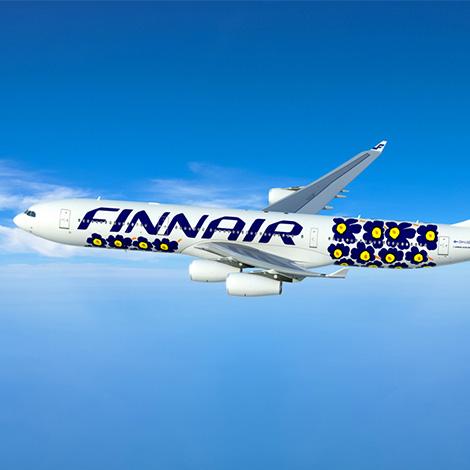
Marimekko patterns take to the sky with Finnair

Marimekko and Finnair begin a design partnership, symbolized by a passenger plane busy with the Unikko pattern. In 2017, another dear design by Maija Isola takes to the air on the wings of a Finnair aircraft: Kivet. Passengers on all Finnair flights tin enjoy textiles and tableware with classic Marimekko patterns.

2013

Sääpäiväkirja

The Sääpäiväkirja (weather condition diary) drove, inspired past meteorological phenomena and seasonal change, is launched. The collection includes fabrics, kitchen textiles, posters and Oiva tableware featuring painterly patterns by Aino-Maija Metsola.

2013

Promoting fiber innovations

Marimekko becomes involved in a enquiry project led by Aalto University and the Academy of Helsinki, the aim of which is to manufacture a biodegradable cloth fiber from birch cellulose using a brand-new method. Cooperation with the Finnish fiber technology company Spinnova starts in 2017 – this collaboration, too, focuses on developing and commercializing new, wood-based textiles.

2014

Unikko celebrates 50th ceremony

Forever young Unikko is celebrated around the earth in colorful ways: shows and exhibitions, pop-up stores and coffee shops, air journeys and shared stories of brave choices.

2015

Tiina Alahuhta-Kasko becomes President of Marimekko

Tiina Alahuhta-Kasko starts her successful journey as the President and CEO of the visitor. Mika Ihamuotila assumes the chairmanship of the Board of Directors.

2016

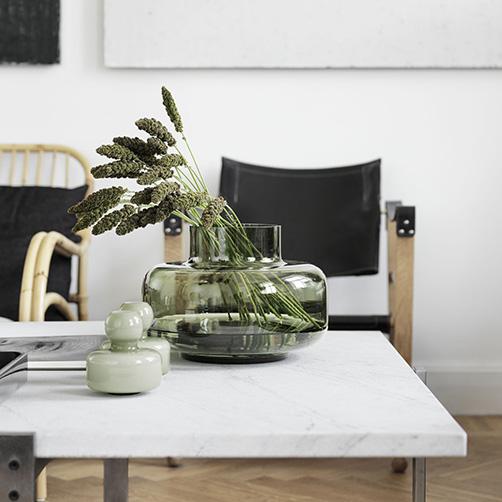
New glass design

Glass vases designed for Marimekko by Carina Seth Andersson go far in stores. The mouth-blown vases in different sizes concenter a great deal of involvement with their clean lines and subtle colors.

2018

50 years of Tasaraita

Tasaraita, Marimekko'southward evenly striped symbol of equality, turns 50. In commemoration of the anniversary, Marimekko starts collaboration with the children's rights organization Plan International to promote the rights and educational activity of girls in developing countries. Marimekko also becomes an official partner of the rainbow-colored culture and human rights event Helsinki Pride.

2018

Satu Maaranen

Satu Maaranen, internationally renowned for her work, is appointed head designer of Marimekko's ready-to-article of clothing, bags and accessories. Satu has designed clothes and prints for Marimekko since 2010.

0 Response to "Marimekko Fashion for Summer 2013 - Cover Magazine"

Post a Comment

Iklan Atas Artikel

Iklan Tengah Artikel 1

Iklan Tengah Artikel 2

Iklan Bawah Artikel